True Path Authentic Counseling
Empowering You to Live Authentically, Manage Stressors, and Thrive through Life’s Challenges
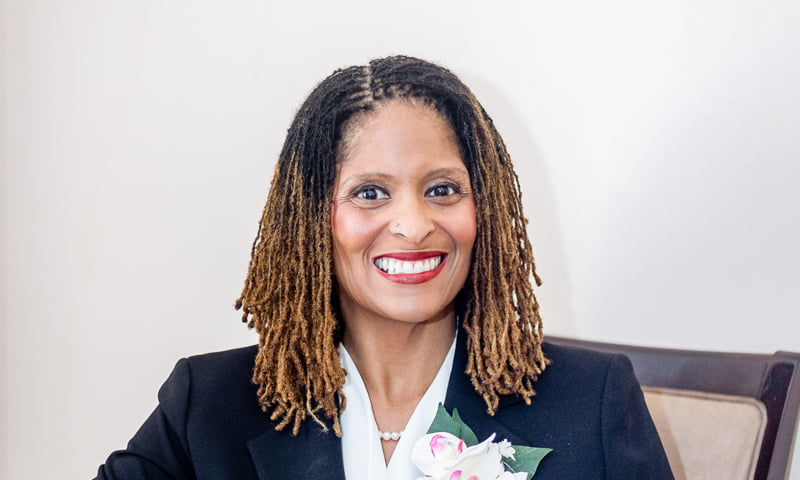
Dr. TréSina Steger (Dr. Tré)— Licensed Professional Counselor, Psychotherapist
is committed to providing inclusive, client-centered mental health support. She specializes in working with individuals (18-65) from diverse backgrounds, with a strong focus on LGBTQ+ affirming care, mood disorders, trauma recovery, life transitions, healthy weight loss, and holistic well-being.
True Path Authentic Counseling
Empowering You to Live Authentically, Manage Stressors, and Thrive through Life’s Challenges
At True Path Authentic Counseling, we believe that healing is not just about overcoming challenges—it’s about discovering your strengths, making empowered choices, and cultivating a fulfilling, purpose-driven life. Our practice provides a compassionate, affirming space where individuals can explore their challenges, develop self-awareness, and create meaningful change.
Our Approach
We integrate a range of evidence-based therapeutic modalities, including:
Person-Centered Therapy
Honoring your unique experiences and strengths while providing a supportive, nonjudgmental space for growth
More infoSolution-Focused Therapy
Helping you build on your strengths and find practical strategies to create the change you seek
More infoReality Therapy
Encouraging responsibility, empowerment, and recognizing control over choices and actions
More infoPositive Psychology
Fostering optimism, gratitude, and personal strengths to enhance well-being and resilience
More infoCognitive Behavioral Therapy (CBT) & Dialectical Behavior Therapy (DBT)
Supporting emotional regulation, mindfulness, and effective coping strategies
More infoOur approach is collaborative, strengths-based, and deeply rooted in cultural humility and social justice. We believe that every person has the ability to heal and thrive when given the right tools and support.
Testimonials
M. P
Tre'Sina basically defines the word super star. She has the kind of executive talent that any company would benefit from having on board. Task-oriented, driven and focused are words that come to mind as I think about her work style. She's absolutely committed to excellence in everything she does and I'm proud to call her my friend and associate.
R. H
I had the great pleasure of working together with Tre`Sina on a very large project last year. She led the charge and helped us surpass our goals. She is full of energy with a dynamic personality and is outstanding leader. Any organization would be blessed to have her on their team.
T. L
I have known Tre'Sina for many years and I am pleased to write a recommendation for her. We have worked together on several community service initiatives and Tre'Sina has always been hardworking, energetic, and willing to help others. Tre'Sina is also an innovative person who offers thoughtful solutions to difficult problems/situations.
A. S
Tre' Steger as a licensed clinical professional counselor. She is proficient, straightforward with a heart.
The most popular questions to discuss mental health
Mental health is about how you think, feel, and handle life’s challenges. It shapes your moods, your outlook, and how you respond to stress. It also influences the way you build relationships and make everyday decisions.
Good mental health doesn’t mean being happy all the time or never facing difficulties. It means you generally feel stable and secure within yourself, can navigate life’s ups and downs, and continue to function well at work, in school, and in your relationships.
Many factors play a role in mental health, including your personal history, family background, environment, and biology. Just like physical health, it can change over time — there will be periods when you feel stronger and times when you may struggle more, and that’s a normal part of being human.
If you’ve been seeking help for your mental health and still feel like nothing’s changing, know that you’re not alone. Many people go through periods where therapy, medication, or other supports don’t seem to make a difference. It can be deeply discouraging, and even lead you to wonder if anything will ever get better.
First, it’s worth considering that healing isn’t always a straight line. Research and clinical experience both show that recovery often comes in waves. Some approaches take longer than we’d hope, and sometimes the first therapist, medication, or type of support simply isn’t the right fit. That doesn’t mean it’s hopeless—it means you may need to explore other options.
If therapy isn’t helping, it might be the style or the relationship itself. A strong therapeutic alliance—meaning you feel heard, understood, and respected by your therapist—is one of the most consistent predictors of positive outcomes. If that connection isn’t there, it’s okay (and actually wise) to seek a different provider or approach.
Similarly, if medication hasn’t helped, it may be a matter of finding the right type or dosage. This can require patience and careful collaboration with a prescriber. Sometimes additional medical factors need to be ruled out or managed alongside mental health treatment.
It also helps to look beyond traditional therapy and medication. Studies support the benefits of structured routines, regular physical activity, time in nature, creative outlets, and supportive community connections. Practices like mindfulness, expressive arts, or peer support groups can complement other care and give you additional tools to manage stress and mood.
Finally, if you ever reach a point where you feel you might hurt yourself or truly can’t cope, please don’t wait. Call a local crisis line or go to an emergency department. In the U.S., dialing 988 connects you to immediate support. If you live elsewhere, there are hotlines worldwide that can help.
Feeling like nothing works doesn’t mean you’re out of options—it just means the right combination hasn’t come together yet. It may take time, different approaches, or even a fresh perspective. Staying open to trying again is, in itself, a sign of resilience.
You can’t completely prevent mental health problems. Some factors—like genetics, early life experiences, or unexpected events—are simply beyond your control.
That said, there are things you can do to protect your mental well-being and lower the chances of more serious issues developing. Maintaining supportive relationships, getting enough rest, eating balanced meals, and staying active all contribute to stronger mental health. Finding healthy ways to manage stress—through practices like journaling, mindfulness, or regular exercise—can also make a significant difference.
It’s also important to pay attention to early warning signs. If you notice persistent changes in mood, energy, or how you’re handling daily responsibilities, reaching out for support sooner rather than later often leads to better outcomes.
So while you can’t guarantee you’ll never face mental health challenges, you can absolutely build habits and supports that make it easier to navigate them. In the long run, these steady, practical steps are some of the best ways to care for your mental health.
Whether mental health problems can be cured really depends on the specific condition and the person’s situation. Some mental health concerns are temporary—like grief-related depression or stress reactions—and often improve completely with time, support, and healthy coping.
For many other conditions, such as bipolar disorder, chronic depression, or schizophrenia, it’s less about finding a cure and more about long-term management. These are typically ongoing conditions that require continuous care, whether that’s therapy, medication, lifestyle adjustments, or a combination of all three.
The encouraging part is that even when these issues aren’t fully curable, they are almost always treatable. With the right support, many people learn to manage symptoms effectively and lead satisfying, meaningful lives.
So while we might not always talk about a permanent “cure,” there is a lot of hope. Good treatment and a strong support system can make a significant difference in both day-to-day well-being and overall quality of life. If it would be helpful, we can also discuss specific strategies or resources that may be applicable to your situation.
1. Emotional well-being:
This is about being able to really feel and understand your emotions without getting stuck in them. It means you can handle stress, ride out tough days, and still find moments of calm or joy.
How to build it: Talk about what you’re feeling, journal, or practice things like deep breathing when you’re overwhelmed.
2. Resilience:
This is your ability to bounce back when life throws something hard your way. It doesn’t mean ignoring problems—it’s about learning how to adapt and keep going.
How to build it: Notice small ways you’ve gotten through hard times before. Try not to tackle everything at once; break challenges into smaller steps.
3. Social support:
Having people you trust and can lean on makes a huge difference. Feeling connected and not isolated is one of the strongest protectors of mental health.
How to build it: Make time for friends or family. Even short check-ins or sharing a meal can strengthen bonds.
4. Self-esteem and acceptance:
This is about valuing who you are, flaws and all. It doesn’t mean thinking you’re perfect—it’s about knowing you’re worthy and treating yourself with respect.
How to build it: Notice your strengths. Talk to yourself like you would to a friend. Challenge harsh self-talk when it pops up.
5. Purpose and meaning:
Having things in your life that matter to you gives you direction. This could be your work, hobbies, family, faith, or causes you care about.
How to build it: Think about what lights you up or makes you feel proud. Find small ways to bring more of that into your week.
6. Balance:
Being able to juggle the different parts of life—work, rest, relationships, fun—without one taking over everything.
How to build it: Set limits on work, carve out downtime, and don’t forget small joys like reading, music, or getting outside.
7. Physical health:
Your body and mind are tied together. Getting enough sleep, eating well, moving your body, and steering clear of too much alcohol or drugs all feed into how you feel mentally.
How to build it: Aim for regular sleep and meals, gentle exercise like walking, and stay hydrated. Even little shifts add up.